
Hey there! So, in the fast-paced world of lighting, 2026 is shaping up to bring some pretty exciting trends, especially when it comes to wholesale custom Neon LED strip styles. Industry pro Jonathan Bright from NeonVision Industries puts it simply: "The future of lighting is all about being vibrant, flexible, and totally personalized." His words really highlight how Neon LED strips aren’t just about illumination anymore—they’re becoming a key part of design, ya know?
Looking ahead, it’s clear that more and more people are craving customizable LED neon strip flexible LED light solutions. Retailers and designers are on the hunt for cool, unique options that can totally transform a space—whether it’s a cozy home or a big commercial gig. The cool thing? There’s so much room for personalization, but that also makes you wonder about stuff like sustainability and how these things are actually produced.
Sure, bright colors and wild new designs are super tempting and definitely catch everyone’s eye. But there are still some hurdles—like, can manufacturers keep up with demand without sacrificing quality? These questions are big ones—they’re really going to influence how Neon LED strips fit into our lives moving forward. Honestly, it’s all about finding that sweet spot between being creative and being responsible if we want things to keep progressing in the right direction.
The wholesale custom neon LED strip lighting market is evolving rapidly. As we approach 2026, various trends are shaping the industry. Many consumers crave unique, personalized lighting options. This demand drives businesses to explore innovative designs and color combinations.
Growth in this market can be attributed to increased awareness of sustainable lighting. More customers seek energy-efficient products. LED strips consume less power and last longer than traditional options. Yet, the challenge lies in ensuring that these eco-friendly products remain affordable. Balancing quality and cost can be tricky for manufacturers.
Creativity plays a huge role in this sector. Customization is key, allowing artists to express their style. However, not all designs resonate with clients. Some concepts may need more refinement. Feedback is essential. Understanding customer preferences can help improve final products. The market is promising, but businesses must adapt and innovate continually.
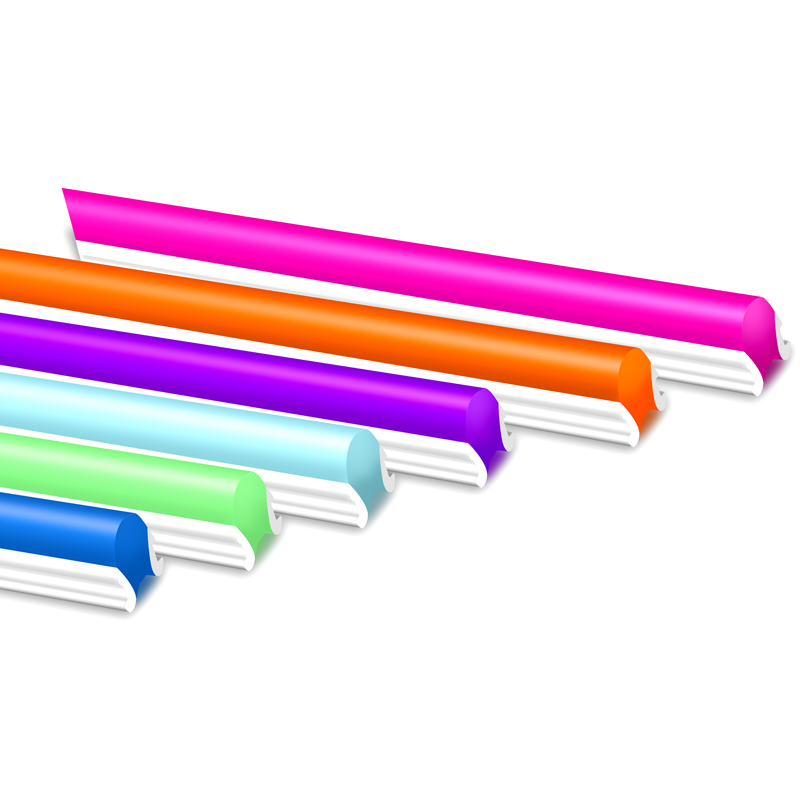
The rising popularity of custom Neon Led Strip lighting in 2026 is fascinating. This surge stems from a blend of aesthetic appeal and versatility. People want unique decor that makes a statement. With vibrant colors and flexible designs, these lights fit into various spaces easily. The push for personalization drives consumers to seek custom solutions. They want to add their touch to every room. This trend is not just about illumination; it's about creating an atmosphere.
Additionally, events and celebrations fuel demand for Neon LED strip lighting. Parties, weddings, and festivals often require eye-catching elements. The affordability of custom neon options allows more people to get creative with their ideas. However, some users overlook energy efficiency. Brightness is attractive, but it can lead to higher bills. Finding a balance between style and practicality is a challenge.
Moreover, sustainability is becoming crucial. Consumers increasingly seek eco-friendly materials. The production of Neon LED strip lighting can improve in this area. Realizing the environmental impact is key for many. As we move deeper into 2026, awareness of these needs will shape future designs. Adapting to consumer desires will drive innovation.
| Trend | Description | Key Drivers of Demand | Predicted Growth Rate (%) |
|---|---|---|---|
| Smart LED Strips | Integration with smart home systems for customizable lighting. | Increase in smart home adoption and IoT devices. | 30% |
| Eco-Friendly Options | LED strips made with sustainable materials. | Growing consumer awareness of environmental issues. | 25% |
| Color-Changing Strips | Strips that can change colors dynamically for decor. | Increased demand for personalized home decor. | 20% |
| Flexible Shapes | LED strips that can be bent and shaped into any design. | Rising interest in unique and creative lighting solutions. | 18% |
| Remote Controlled Strips | LED strips that can be controlled via remote or app. | Convenience and hands-free operation is valued by consumers. | 22% |
The wholesale industry for
Neon Led Strip Lights
is witnessing rapid innovation. Emerging trends in LED technology are reshaping the way these lights are designed and utilized. According to a recent
industry report, the global LED market is expected to reach $100 billion by 2026. This growth is largely driven by efficiency
and customization options.
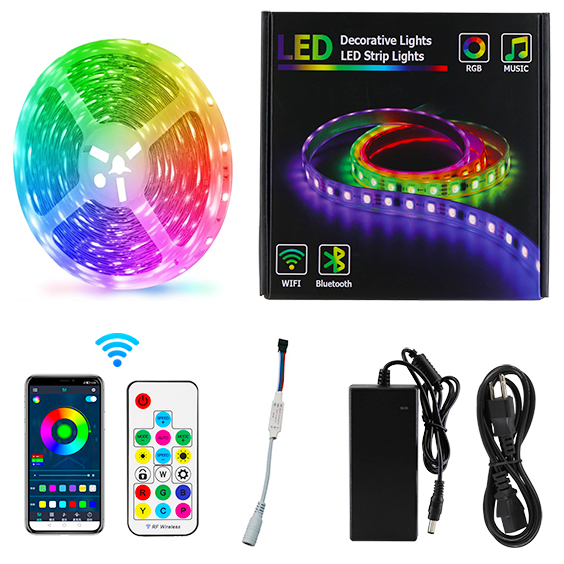
One notable trend is the increasing demand for smart integration. Many consumers now prefer lighting systems that can be controlled
via smartphones. This shift is reflected in a survey revealing that 40% of users prioritize
connectivity features in their lighting choices. Additionally, the shift towards eco-friendly materials is noticeable. Manufacturers are now exploring
sustainable options to meet consumer preferences.
However, there are challenges to consider. The competition in the market is fierce, with many new entrants offering varied styles and prices. This saturation
can make it difficult for wholesalers to differentiate their products. Moreover, as trends evolve, staying ahead can be daunting. The continuous advancements
in technology means wholesalers must constantly adapt to meet the growing expectations of their clients. Yet, embracing these changes can lead to
exciting opportunities in the vibrant world of Neon LED Strip Lights.
The shift toward sustainability is reshaping the landscape of neon LED strip lighting production. Reports suggest that the global LED market could surpass $100 billion by 2025. This growth is spurred by consumer demand for eco-friendly products. Manufacturers are now using recyclable materials in their processes. This change not only reduces waste but also meets market expectations.
However, the journey toward sustainability is not flawless. Some production methods still rely on non-renewable resources. This can lead to a conflict between cost and eco-friendliness. Brands need to reconsider their supply chain. Striking the right balance is crucial for success.
Tips: Consider using LED strips with longer lifespans. They tend to consume less energy. This small change can lead to significant savings over time. Also, look for certifications that ensure environmental standards are met. Transparency matters. The more you know about the product, the better your choices will be.
The chart below illustrates the projected growth in demand for various styles of wholesale custom neon LED strip lighting based on sustainability trends influencing their production in 2026.
In 2026, consumer preferences in lighting are shifting towards greater customization. The trend of color personalization in Led Neon Strip designs is gaining momentum. More customers want to express their individuality through vibrant colors and unique patterns. They seek flexibility in choosing hues that match their mood or style. This desire for bespoke products is evident in both residential and commercial settings.
The use of Led Neon Strip lighting now allows for unique installations. Consumers often favor dynamic colors that can change based on time of day or season. This reflects not only a personal aesthetic but also the latest technology advancements. However, achieving precise color matching can be challenging. Unsatisfied customers might discover that what looks great online doesn’t meet their expectations in real life.
Many businesses are responding to this challenge by offering online tools for visualizing designs. However, these tools may not always accurately represent the final product. There is room for improvement in this area. As consumer demand for customization grows, the industry must adapt. Balancing creativity with practicality will be key. The journey towards achieving perfect color customization is ongoing, filled with both successes and frustrations.
The wholesale neon LED strip lighting market is set to expand significantly in the coming years. According to market research, demand is projected to grow at a compound annual growth rate (CAGR) of 9.8% between 2024 and 2028. Emerging markets, particularly in Asia and Latin America, show tremendous potential for this segment. Increased urbanization in these regions drives the need for innovative lighting solutions. Neon LED strip lights are favored for their versatility and energy efficiency.
Interestingly, consumers are shifting toward customizable lighting options. This customization trend is driven by a desire for unique designs, especially among younger demographics. Reports indicate that customization accounts for over 30% of the demand in these emerging markets. However, the challenge lies in ensuring quality control while managing production costs. Companies must constantly refine their processes to meet consumer expectations without sacrificing quality.
A noteworthy detail is the environmental impact of neon LED strip lights. Despite their efficiency, the production process can be resource-intensive. Industry reports show that 20% of companies are struggling with sustainable manufacturing practices. Addressing these challenges is crucial for manufacturers aiming to thrive in this evolving market.
In recent years, neon LED strips have transcended their traditional use. These vibrant lights are no longer confined to signage or decor. Their innovative applications are reshaping interiors and event experiences. According to a 2022 market report, the global neon LED strip market is projected to grow by 12% annually. This growth highlights a shift in consumer preferences towards more creative lighting solutions.
One notable trend is the use of led neon light strips in residential spaces. Designers are integrating these lights into home decor, creating unique ambiance. For instance, backlighting shelves or accentuating architectural features has become popular. Yet, some may overestimate the effectiveness of such lighting without considering color selection and placement. A poorly chosen light strip can disrupt the intended atmosphere.
Commercial spaces are also adopting neon LED strips. Restaurants and bars use them for mood lighting, enhancing dining experiences. However, striking the right balance is crucial. Overuse can lead to a garish environment. Meanwhile, events like weddings are incorporating these lights for a touch of modern elegance. Still, it’s important to reflect on how these innovations enhance or detract from overall aesthetics and function.
: The article aims to provide useful information on a specific topic. It shares insights and practical advice.
Yes, many concepts in the article are relatable. Readers can apply them to daily challenges.
Yes, it notes potential pitfalls. Being aware of these can prevent mistakes in real-life applications.
The article targets a general audience but might not resonate with everyone. Personal circumstances vary.
It emphasizes practice and reflection. Regular effort leads to noticeable improvements over time.
Key takeaways include actionable tips and common issues. Not every detail may seem relevant.
Yes, it encourages readers to engage actively. Change requires effort and willingness to adapt.
It mentions studies to back claims. However, some points might rely on personal experiences.
Context is crucial. Factors such as time and environment can affect the effectiveness of advice.
Everyone has unique perspectives. This can skew how information is understood and applied.
The article explores the vibrant landscape of wholesale custom Neon LED Strip lighting in 2026, highlighting significant market growth driven by consumer demand, innovative technology, and emerging trends. Key drivers include the increasing popularity of customizable lighting options that cater to individual preferences, alongside advancements in LED technology that enhance performance and energy efficiency. Additionally, sustainability trends are influencing production processes, leading to eco-friendly manufacturing practices.
With color customization and personalization taking center stage, consumers are seeking unique designs that reflect their individual styles. The forecast indicates a rising interest in wholesale Neon LED Strips in emerging markets, expanding opportunities for innovative applications beyond traditional uses. This evolving market represents a convergence of creativity, technology, and sustainability, positioning custom Neon LED Strips as essential elements in modern lighting solutions.